More Than a Cheap Pint: What Mirfield Owes Its Working Men's Club
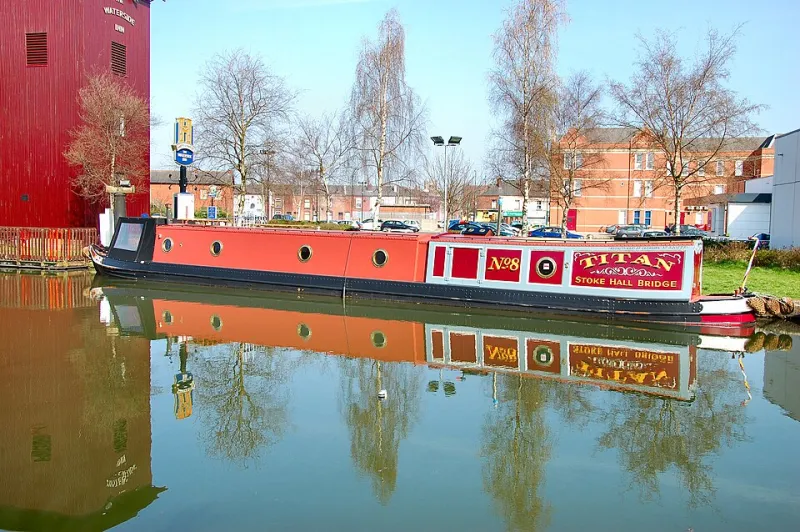
Photo: Ronald Saunders from Warrington, UK, CC BY-SA 2.0, via Wikimedia Commons
Let's start with a confession: this article has an opinion. Usually we keep things neutral in these pages — dates, facts, who's playing on Saturday. But having spent a fair few evenings in the committee room lately, listening to members debate the club's future, we think some things deserve saying plainly.
Working men's clubs matter. And if we're not careful, we'll only realise how much once they're gone.
Born From the Pit and the Mill
The Con Club opened its doors in 1958, and the men who founded it weren't leisure entrepreneurs. They were miners and textile workers — people who did physically punishing jobs all week and wanted somewhere decent to unwind at the weekend. Not somewhere to be sold to. Somewhere they owned, collectively, through their subscriptions and their committees.
That's the bit that gets lost when people lump us in with the big pub chains. A Wetherspoon is a business with shareholders. A club like ours is its members. The profits don't vanish into a head office in Watford — they come back to Mirfield. They pay for the entertainment, keep the membership fees low, and fund the donations we make to local causes every year. The junior football team that needed new kit. The school raffle prizes. The collections for members going through hard times.
You can't get that from an app.
The Case Against the Obvious Alternatives
The competition is real, and pretending otherwise would be daft. Supermarket lager costs pennies a can. Netflix puts a film premier in your front room for less than the price of half a pint. The big chains will sell you a curry and a couple of drinks for a tenner, with a quiz machine in the corner for company.
So why bother with the club? Because none of those things involve other people knowing your name.
There's a peculiar magic to a club night that no algorithm has replicated. It's the compere who remembers your birthday. It's the fact that if you don't turn up for a fortnight, someone asks after you. Loneliness is a genuine public health issue in this country, particularly for men of a certain age, and clubs like ours have been quietly solving it for seventy years without ever calling it that. We just called it a night out.
The Committee Room Is a Classroom, Too
There's something else worth defending that rarely gets mentioned. Run a club, and you learn how to run things. Budgets, bookings, disputes, rotas — the committee room is where generations of working people learned the skills that formal education often skipped. Plenty of Mirfield folk got their first taste of responsibility chairing a meeting or balancing a bar ledger here, and carried it into working life.
That's not nostalgia. That's infrastructure. Soft, unglamorous infrastructure, but real.
The Honest Question: Where Are the Under-40s?
Now for the uncomfortable part. Walk in on a busy Saturday and count the grey heads. We're not going to insult anyone's intelligence by claiming otherwise — like most clubs, our membership skews older, and the average age creeps up year by year.
The founders built this place for their generation's needs. If we're honest, we haven't always built for the next one's. So what would actually help?
A few things, we'd suggest. First, meet people where they are: a proper social media presence, honest listings online, and yes, card payments at the bar — tradition is lovely, but nobody carries cash anymore. Second, broaden what's on: live music nights that aren't just the same tribute acts, quiz formats that don't require knowing who won the 1975 FA Cup, family-friendly Sunday sessions that make it easy for young parents to come along. Third, and most importantly, ask them. The under-40s of Mirfield aren't a problem to be solved by us — they're the committee members, the volunteers and the cooks of 2040. The door's open. The question is whether we've made it worth walking through.
Worth Defending, Worth Evolving
None of this means sanding off what makes the club what it is. The cheap pint stays. The meat draw stays. The committee still answers to the members, not the other way round.
But the founders in 1958 didn't preserve anything — they built something for their moment. Seventy years on, the best way to honour them isn't to pickle the club in aspic. It's to do what they did: look at the Mirfield in front of us, and build the club that moment needs.
The committee meets monthly, and members are welcome to raise ideas — genuinely. If you're under 40 and you've got thoughts on what would get you through the door, we'd rather hear them over a pint than read them in a eulogy in twenty years' time.
Here's to the next seventy. But let's not leave them to chance.